The short answer
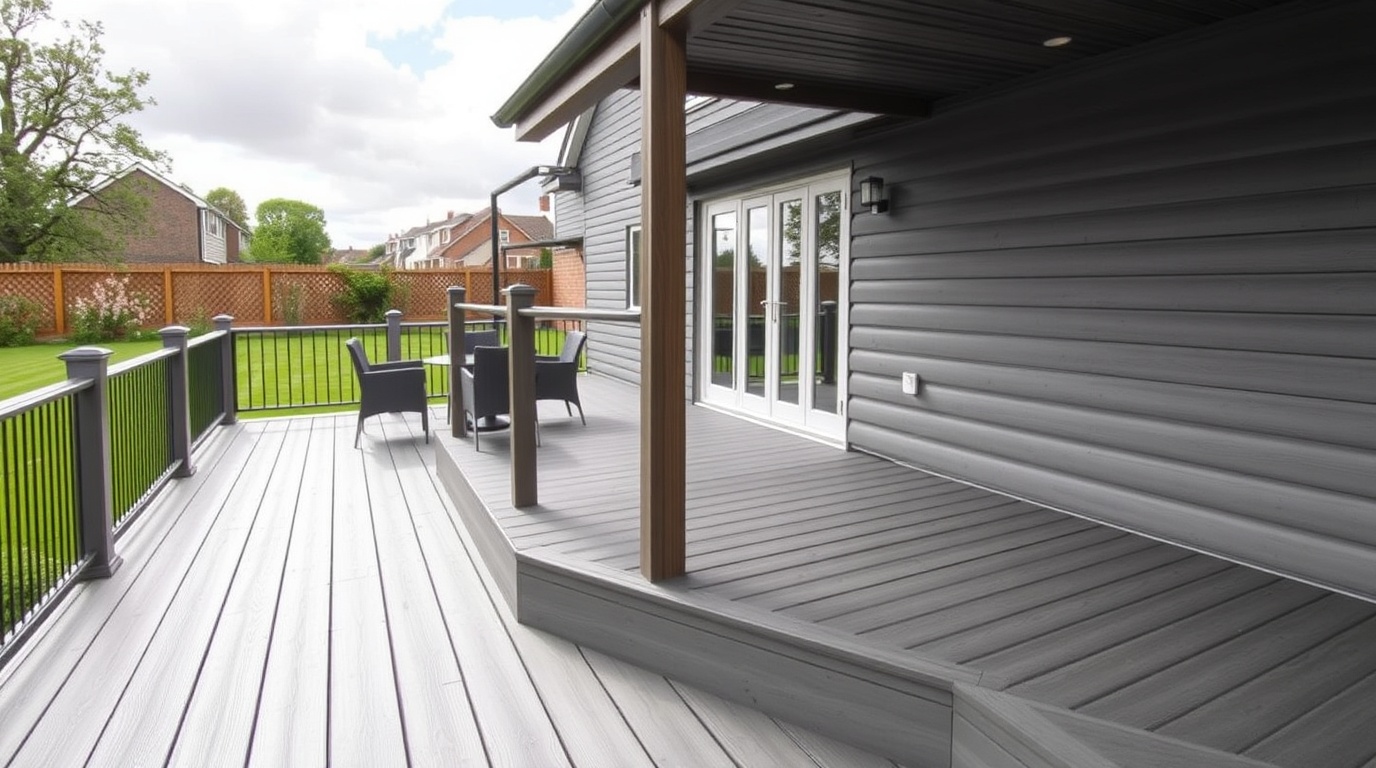
A typical garden decking project in the UK costs somewhere around £2,000 to £6,000, with most everyday decks landing in the lower-to-middle part of that span and larger or more elaborate builds going higher. The total reflects the area, material, height and extras far more than any single rate. A small ground-level softwood deck is the most economical; a larger composite or hardwood deck with steps, a balustrade and lighting costs considerably more. The project price bundles design, groundworks, the subframe, boards, fixings, finishing and labour. As a rough guide, work on roughly £100 to £250 per m2 for a straightforward deck, rising for raised or complex designs. Always get an itemised quote.
A garden decking project is more than boards and a day's work. Thinking about it as a whole — groundworks, structure, surface and finishing — gives a realistic budget and explains why quotes vary so widely.
Garden decking project cost at a glance
- Typical project rangeAround £2,000–£6,000
- Straightforward deck rateAround £100–£250 per m2
- Lowest-cost buildSmall ground-level softwood deck
- Pricier buildsComposite or hardwood with extras
- Biggest variablesSize, material, height, extras
What a full project includes
Pricing a decking project as a whole avoids the common surprise of a quote that is bigger than the cost of the boards alone. A complete project usually covers:
- Design and setting out: deciding the shape, size, level and position, and marking it out on the ground.
- Groundworks: clearing and levelling the area, laying a weed-control membrane, and preparing or laying foundations.
- Subframe: the joists and bearers that carry the boards, plus posts and bracing on a raised deck.
- Decking boards: softwood, hardwood or composite, with a cutting and wastage allowance.
- Extras: steps, balustrade, fascia boards, skirting and any lighting, each of which adds to the total.
- Finishing: initial treatment on timber and a tidy-up of the site.
- Labour: often a third to a half of the bill on a fitted deck.
The figures below are indicative project ranges for guidance only, based on a straightforward ground-level deck in each material.
| Project type (typical 15–20 m2) | Indicative total cost | Notes |
|---|---|---|
| Ground-level softwood deck | Around £2,000–£3,500 | Lowest-cost mainstream option, needs upkeep |
| Ground-level composite deck | Around £3,000–£5,000 | Higher up front, low maintenance |
| Raised deck with steps and balustrade | Around £4,000–£6,000+ | Foundations, guarding and steps add cost |
Indicative UK figures for guidance only; obtain itemised quotes for your site. Sources: Checkatrade and MyJobQuote 2026 decking cost guides.
What moves the total most
Two gardens of similar size can produce very different project totals. The factors that move the figure most are worth understanding before you set a budget:
- Area: the bigger the deck, the more material and labour, though the rate per square metre often eases a little on larger areas as set-up spreads further.
- Material: softwood is the lowest-cost, hardwood and composite cost more per metre but last longer with different upkeep.
- Height: raising the deck adds foundations, posts, steps and a balustrade, and can bring planning and building regulations into play.
- Ground and access: sloping, soft or hard-to-reach gardens take more groundworks and labour than flat, open ones.
- Design detail: curves, multiple levels, borders and lighting all add cutting, fitting and skilled time.
Because these stack up, the cleanest way to budget is to fix the material and rough size first, then add the extras you want, and ask fitters to itemise each. That turns a vague project into a costed plan you can compare.
Keeping a project on budget
A decking project drifts over budget most often through extras added after the main quote and through groundworks that turn out larger than expected. A few habits keep the figure under control without cutting the parts that matter:
- Settle the scope early: agree the size, material and extras up front so the quote reflects the real job rather than a stripped-back version that grows later.
- Itemise the quote: ask for groundworks, subframe, boards, extras and labour as separate lines, so you can see where any saving could come from and where it should not.
- Do not skimp on the frame: the subframe and foundations are the parts you never see but feel underfoot for years. Trimming them is the usual cause of a deck that bounces or sags.
- Choose material on lifetime cost: softwood is lowest-cost to install but needs ongoing treatment; composite costs more up front but saves on upkeep. Pick on how long you will keep the deck and how much maintenance you will do.
- Allow for site surprises: on sloping or soft ground, keep a small contingency, since the foundations and frame can need more than a flat site.
A project planned this way rarely produces nasty surprises. The total may sit anywhere in the range depending on your choices, but you will know what each part costs and why, which is the point of an itemised quote.
Frequently asked questions
What is a realistic budget for a garden deck?
For a typical 15 to 20 m2 ground-level deck, a realistic budget often falls between roughly £2,000 and £5,000 depending on material, with softwood at the lower end and composite or hardwood higher. Raised decks with steps and balustrades sit above this. Itemised quotes for your own garden give the most reliable figure.
Does a garden deck add value to a house?
A well-built, well-maintained deck can make a garden more usable and attractive, which buyers value, but it does not always add its full cost back in resale. A neglected or poorly built deck can count against a property. Treat it primarily as something you will use rather than purely as an investment.
Can I phase a decking project to spread the cost?
Sometimes, though it depends on the design. Splitting boards and finishing from groundworks rarely makes sense because the build is continuous. A more practical phasing is to fit the deck first and add extras such as lighting or a pergola later. Discuss this with the fitter so the structure allows for additions.
Sources & further reading
Figures on this page are typical UK ranges drawn from published sources and depend on your specific garden. They are guidance, not a quotation.